Sale price
Rs. 1,899.00 INR
Regular price Rs. 3,350.00 INR
Shipping calculated at checkout.
Details
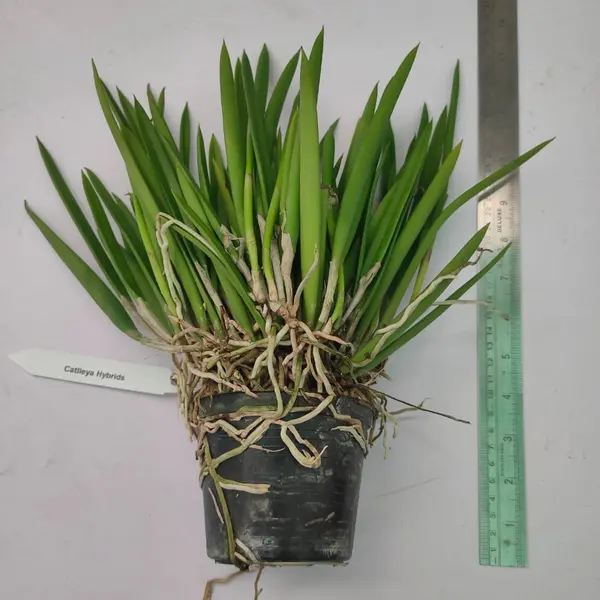
Selling Size : Single Plant | NetPot Included | Secure Packing
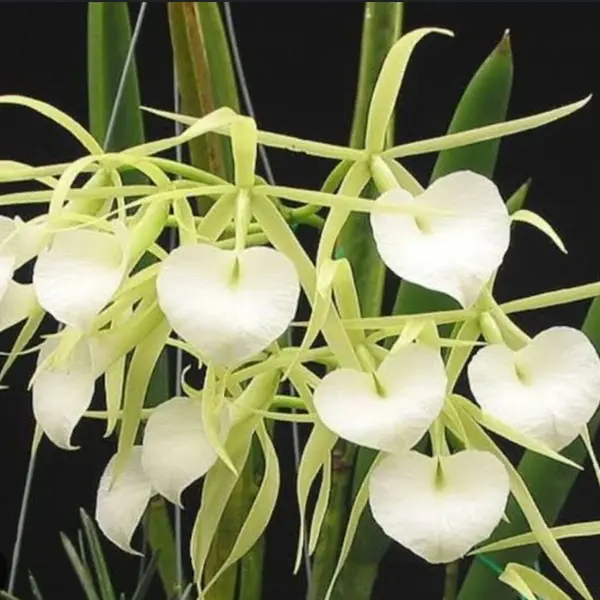
Brassavola Nadoza – Blooming Stage, often called “Lady of the Night” due to its intense jasmine-like fragrance produced at night, is a popular and relatively easy-to-care-for orchid.
Brassavola Nadoza – Blooming Stage
Here’s a breakdown of its care for Brassavola Nadoza – Blooming Stage :
Light:
Bright, indirect light is ideal. They prefer more light than Phalaenopsis orchids and can tolerate as much light as Cattleyas.
A bit of direct morning sun can encourage blooming.
If leaves are dark green, it needs more light; if yellowish, it’s getting too much. Red spotting on the leaves can indicate sufficient lighting.
Avoid prolonged direct afternoon sun, which can scorch leaves.
Temperature:
Warm temperatures are preferred.
Ideal daytime temperatures range from 75-80°F (24-29°C) in summer and 77-78°F (25-26°C) in winter.
Nighttime temperatures should be cooler, around 61-70°F (16-21°C), with a diurnal drop of 10-15°F (6-8°C).
They can tolerate temperatures as low as 50°F (10°C) and as high as 109°F (43°C) for short periods, but sustained temperatures below 55°F (13°C) can inhibit flowering.
Watering:
Water frequently during active growth (spring and summer), allowing the potting medium to dry out almost completely between waterings.
Reduce watering during cooler months or after flowering, but don’t let the plant stay dry for long.
Mounted plants will need daily watering, sometimes twice daily in very warm temperatures, as their exposed roots dry out quickly.
Potted plants need watering when the medium is completely dry to the touch, which can be once or twice a week in summer and less frequently (e.g., once every two weeks) in winter.
Healthy, green roots indicate correct watering. Gray or white roots suggest lack of water, while soft, musty-smelling roots indicate overwatering.
Rainwater is ideal, but tap water is often acceptable as they are quite forgiving.
Humidity:
Maintain moderate to high humidity, ideally around 50-80%.
They can tolerate lower household humidity levels, but higher humidity is better for optimal growth.
If growing in a high-humidity environment, ensure good air circulation to prevent fungal diseases. A humidity tray with gravel and water can help, but ensure the pot isn’t sitting directly in water.
Brassavola Nadoza – Blooming Stage
Potting Medium and Mounting:
Brassavola nodosa are epiphytic (grow on trees) or lithophytic (grow on rocks).
They thrive when mounted on tree bark or in baskets to allow aerial roots to grow freely, mimicking their natural habitat.
If potting, use a very well-draining, coarse orchid mix such as fir bark (pine bark), charcoal, lava rock, pumice, and sometimes a bit of sphagnum moss. Avoid regular potting soil.
Choose pots with excellent drainage and air circulation, like slotted orchid pots, terracotta pots with extra holes, or decorative ceramic pots with cut-outs.
Repotting is best done when new roots start growing or immediately after flowering.
Fertilization:
Fertilize weekly during the active growing period with a weak solution (1/4 to 1/2 the recommended dose) of a balanced orchid fertilizer.
A high-nitrogen fertilizer can be beneficial from spring to mid-summer, switching to a phosphorus-rich fertilizer in late summer and autumn to promote flowering.
Flush the substrate with plain water every few weeks to prevent salt buildup from fertilizers.
Reduce or eliminate fertilization during the winter rest period.
Flowering:
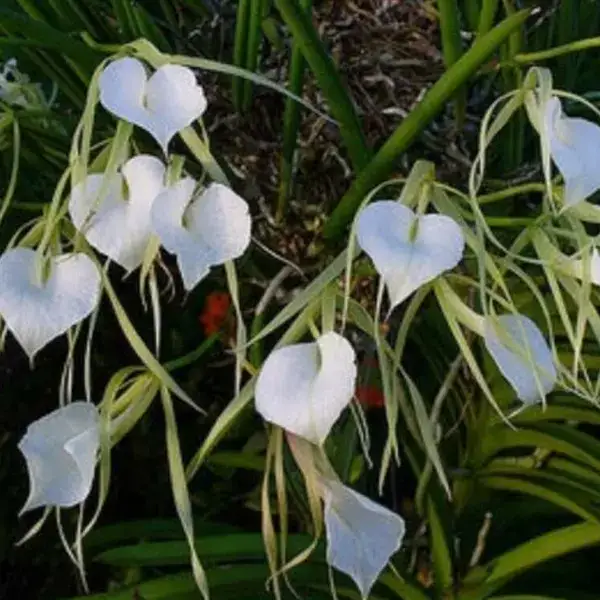
Brassavola nodosa is known for its fragrant, night-blooming flowers, often white with a large, heart-shaped lip that may have purple or dark red spotting.
They are frequent bloomers and can flower multiple times a year, with the heaviest blooms often in fall or winter.
Providing a distinct dry period for at least two weeks can help mature growths and induce flowering.
General Tips:
They are generally easy to grow and adaptable to a wide range of conditions.
Keep an eye out for common orchid pests like aphids, spider mites, and mealybugs.